Creative Ways to Upgrade a Simple Hot Dog
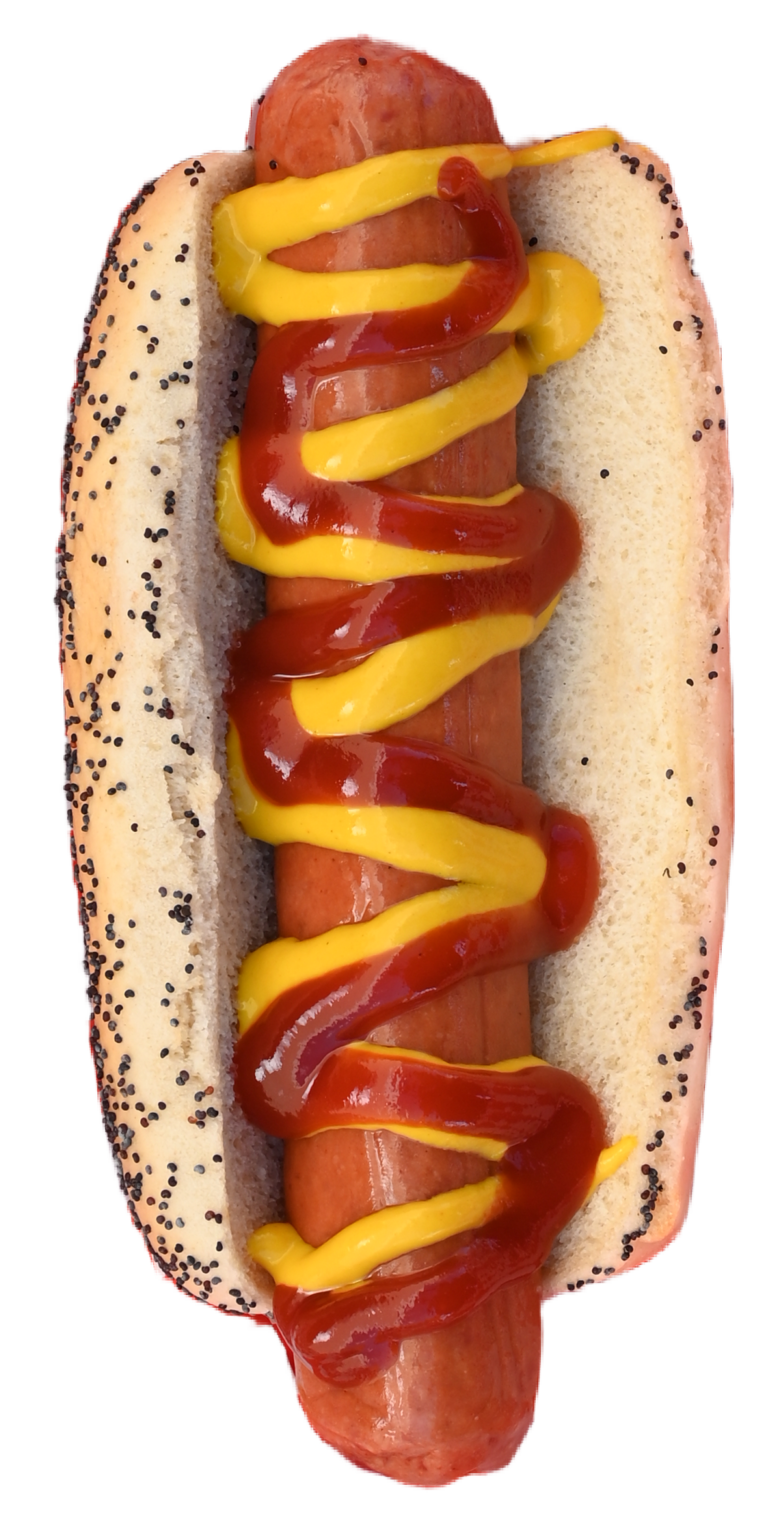

A simple hot dog has an unfair reputation. People treat it like a last-minute food, something to throw on a grill when the better ingredients run out. That misses the point. A hot dog is one of the most adaptable foods in home cooking, and it responds surprisingly well to thoughtful upgrades. Give it better texture, sharper contrast, or one strong flavor idea, and it stops being an afterthought.
That flexibility is what makes the hot dog so useful. It works on a weeknight stovetop, over charcoal at a cookout, under a broiler in a city apartment, or tucked into foil at a campsite. It can lean nostalgic, regional, fancy, spicy, messy, restrained, or almost elegant. The best https://martinxkqt800.fotosdefrases.com/how-to-serve-hot-dogs-in-creative-party-style versions are not complicated. They are specific. They know what they are trying to do.
I have found that the most memorable hot dogs usually improve in one of three ways. They get a better snap and deeper browning from smarter cooking. They get contrast from a bun and topping combination that brings texture and acidity. Or they borrow ideas from other dishes and cuisines without turning into a gimmick. Once you understand those levers, it becomes easy to build a hot dog that tastes deliberate rather than thrown together.
Start with a better foundation
Upgrading a hot dog does not require expensive ingredients, but it does require paying attention to the basics. The quality of the sausage itself matters more than people often admit. A cheap hot dog with a soft, indistinct texture can be hard to rescue. A solid all-beef dog, a good pork and beef blend, or a smoked sausage in hot dog form will carry toppings better and give you more flavor before the condiments even enter the conversation.
The bun matters almost as much. A fresh bun with some structure can make a modest sausage taste better. A stale, cottony bun will flatten every effort. If the bun collapses after the first bite, the whole experience becomes a balancing act. If it is too dense, it overpowers the sausage. The sweet spot is soft but resilient, with enough body to hold moisture and toppings without turning gummy.
Heat is the third basic that changes everything. A hot dog should taste hot all the way through, and the exterior should have some character. Even a plain dog in a bun improves dramatically if the casing blisters slightly and the bun gets a little toast. People often focus on toppings because they are visible, but the quiet details, temperature, texture, and browning, are where the biggest gains happen.
Cooking method changes flavor more than toppings do
Ask ten people how to cook a hot dog and you will get ten confident answers. The truth is that each method creates a different result, and picking the right one depends on the style you want.
Grilling gives the most obvious payoff. Direct heat tightens the casing, renders a little fat, and lays down smoky notes that pair well with mustard, onions, relish, and anything charred. The risk is split casings and dry interiors if the heat is too aggressive. A lot of backyard grills run hotter than people realize, especially over fresh coals. I prefer to move hot dogs around the cooler edges once they start coloring. You want blistering, not rupture.
Pan-searing is underrated. A skillet, especially cast iron or stainless steel, can produce excellent browning and better control than a grill. Add a small amount of oil or even a spoonful of butter if you want a richer finish. Rotating the hot dogs every minute or so helps color them evenly. For apartment cooks, this is often the best all-around method.
Steaming or simmering is gentler and useful when you want the sausage plump and juicy without much char. This works well if the toppings are assertive enough to carry the dish, like chili, sauerkraut, or a spicy slaw. Boiling, however, tends to wash out flavor and leave the casing limp. It is convenient for quantity, but it rarely produces the most interesting hot dog.
Broiling can work beautifully if you watch it closely. It mimics top-down grill heat and can brown both bun and sausage with very little setup. It also goes from perfect to scorched quickly. For cooks who already use the broiler with confidence, it is a strong option.
If I had to narrow it down to the best practical upgrades, they would be these:
- Split and griddle the bun in butter until the edges toast.
- Cook the hot dog until the casing blisters, not just until it is warm.
- Add one acidic topping, such as pickled onions or sauerkraut.
- Add one crunchy element, such as fried shallots or slaw.
- Finish with a condiment that has a clear point of view, not just generic ketchup.
Those five changes take a basic hot dog and move it into a different category.
The bun deserves real attention
Most topping problems are actually bun problems. If the bun is cold, dry, or flimsy, toppings slide, moisture pools, and every bite feels poorly composed. A steamed bun is classic for a reason. It becomes tender and warm, and it hugs the sausage. But steaming is not the only route.
A butter-toasted bun has more flavor and more structural integrity. It also introduces one of the easiest restaurant-style touches you can make at home. Split the bun, press it lightly in a pan with butter, and let the cut sides color. The result is richer and a little crisp at the edges, which creates contrast against the soft center. For loaded hot dogs, this is especially useful because the bun stays intact longer.
There is also room to think beyond the standard white bun. A potato roll adds a gentle sweetness that works well with smoky sausages and spicy toppings. A brioche-style bun can be excellent with sharp mustard and caramelized onions, though it can tip too sweet if you also use sugary relish or barbecue sauce. Pretzel buns bring chew and salt, but they are best with bolder, heavier toppings since they can dominate a mild sausage.
The mistake is changing everything at once. If the bun is more assertive, simplify the topping plan. If the bun is plain and soft, you can afford stronger flavors on top.
Texture is what separates a forgettable hot dog from a great one
A hot dog can taste good and still feel boring if every component is soft. The sausage is yielding, the bun is soft, the condiments are smooth, and the toppings collapse into one texture. That is why crunch matters so much. It wakes the whole thing up.
Raw diced onion is the old-school answer, and when it is fresh and sharply cut, it works. But there are more nuanced ways to get the same effect. Thin-sliced cabbage slaw adds freshness and crunch without overwhelming the sausage. Fried onions or shallots bring crispness and savoriness, though they need to be added at the last minute so they do not soften. Pickles, celery salt, crushed potato chips, even toasted seeds can contribute a little tension in the bite.
Acidity is the other half of the equation. Rich sausages and buttery buns need relief. Sauerkraut does that with salt and tang. Pickled jalapeños add both acid and heat. Quick-pickled red onions give brightness and color, and they are easy to make in less than half an hour. A hot dog that tastes heavy often needs vinegar more than it needs more sauce.
That combination, one crunchy element and one acidic element, is where many home versions improve most. It sounds simple because it is simple. It is also where a lot of cooks skip a step and lose the chance to make the whole thing feel balanced.
Borrow from regional classics, but understand what makes them work
Regional hot dog styles endure because they are built around balance. They are not random piles of toppings. Each piece has a job.
A Chicago-style hot dog, for example, is less about abundance than about contrast. The tomato adds freshness, the pickle adds brine, the neon relish contributes sweetness, the sport peppers bring heat, and the celery salt sharpens everything. The beauty is in the interplay. If you copy the ingredients without the balance, it turns cluttered.
A chili dog succeeds when the chili is thick enough to stay put and seasoned boldly enough to stand beside the sausage instead of smothering it. Thin, soupy chili creates a mess and weakens the bun. The best chili for a hot dog usually has a fine texture and restrained bean content, if any, so it drapes rather than tumbles.
A Coney-style dog relies on spice, onion, and mustard to cut through richness. A slaw dog, common in parts of the American South, works because cool, crunchy slaw offsets smoke and salt. A New York cart-style onion sauce leans sweet, tangy, and savory all at once, proving that cooked condiments can have as much character as fresh ones.
What is useful about these traditions is not just the specific topping combinations. It is the lesson that every strong hot dog has an internal logic. It should feel composed, not crowded.
Go beyond the classics without turning it into a stunt
There is a fine line between creativity and novelty for its own sake. The best hot dog upgrades steal from familiar dishes and condense those flavors into something manageable. If it sounds good on a sandwich, taco, noodle bowl, or grain dish, it may work on a hot dog, provided you control moisture and keep the scale realistic.
One of the easiest directions is to lean into street-food flavors. A sausage topped with charred corn relish, lime crema, cotija, and cilantro can work beautifully if the corn is cut finely and the crema is used sparingly. The same idea with full-size corn kernels spilling everywhere is a mess. Scale matters.
Mediterranean-inspired toppings can be excellent because they naturally bring acid and freshness. Chopped cucumber, tomato, red onion, feta, dill, and a spoonful of yogurt sauce can make a lighter, sharper hot dog that feels especially good in warm weather. The key is draining the vegetables so the bun does not go soggy.
If you like richer combinations, borrow from a cheeseburger or steak sandwich. Melted cheddar, sautéed mushrooms, caramelized onions, and a touch of horseradish mustard can push a beef hot dog in a deeper, more savory direction. This is a good place to use a sturdier bun, since the toppings have weight.
Breakfast flavors also belong in the conversation. A hot dog with soft scrambled egg, crisp bacon, chives, and a little hot sauce can sound odd until you remember how well sausage and egg already pair. This version is better as brunch food than as a cookout novelty, and it benefits from a lighter hand with the egg than people expect.
You can also go sharply spicy. Kimchi, scallions, sesame mayo, and toasted sesame seeds are an excellent match for a grilled hot dog. So are pickled peppers, spicy brown mustard, and charred onions. Heat works best when it is layered rather than blunt. A little fermented funk, a little smoke, a little mustard bite, those are more interesting than simply dumping on a hotter sauce.
Homemade toppings do not need to be elaborate
One reason hot dogs are useful entertaining food is that a small amount of homemade topping goes a long way. You do not need to spend all afternoon making condiments. A few quick preparations can make the meal feel deliberate.
Quick-pickled onions are the classic example. Thinly slice red onion, cover with vinegar, a little sugar, salt, and warm water, then leave them alone for twenty minutes. They emerge brighter, less harsh, and much more versatile than raw onion. They cut through fat and add color.
Caramelized onions take longer but repay patience. Properly cooked, they become jammy and sweet, with enough depth to turn a basic beef hot dog into something closer to a bistro sandwich. They are one of the best upgrades for cooler-weather meals, especially with mustard or melted cheese.
Slaw is another strong move, but it should be cut fine and dressed lightly. Heavy, wet coleslaw belongs in a bowl, not on a bun. For hot dogs, think of slaw as a crisp seasoning rather than a side dish piled on top. A vinegar-based slaw often works better than a mayonnaise-heavy one because it keeps the overall bite cleaner.
One condiment that deserves more use is compound mustard. Stir whole-grain mustard with chopped herbs, a spoonful of honey, horseradish, or even roasted garlic. Suddenly the hot dog has a house style. That is the difference between a plain grilled sausage and something guests remember.
Cheese can help, but it needs discipline
Cheese is easy to overdo on a hot dog. Melted cheese sounds like an automatic improvement, yet too much turns everything greasy and indistinct. The goal is to add richness and salt without muting the sausage.
Sharp cheddar is reliable, especially with chili, onions, or jalapeños. Swiss can work with sauerkraut and mustard if you want a deli flavor profile. Crumbled feta brings salinity and dryness, which is useful when the rest of the toppings are juicy. Cotija plays a similar role. A smooth cheese sauce is harder to manage because it tends to coat and dominate, though it can be effective in small amounts with pickled toppings to cut through it.
A good rule is that cheese should support the hot dog, not become the only thing you taste. If you take a bite and lose the snap and savor of the sausage, you have gone too far.
Small finishing touches create disproportionate impact
What separates a good homemade hot dog from one that feels restaurant-minded is often a final detail. A sprinkle of celery salt, chopped herbs, cracked black pepper, lemon zest, crispy onions, or a few drops of vinegar can sharpen the whole composition. These finishing moves are not decoration. They tune the flavor.
This is especially true when cooking for a group. People tend to focus on major toppings laid out buffet-style, but the optional finishers often give guests a way to personalize their food without overloading it. Someone who does not want a mountain of toppings might still appreciate chopped chives and Dijon. Someone else might want crushed fried onions and hot sauce.
If you are serving several variations, it helps to think in categories rather than random options. Offer one pickled item, one crunchy item, one creamy item, and one cooked savory item. That creates combinations that make sense without forcing anyone into a rigid formula.
A few combinations that consistently work
The most successful hot dogs usually keep to one flavor direction. These combinations have proven reliable in home kitchens and cookout settings because they stay balanced and hold together well:
- Charred dog, butter-toasted bun, sauerkraut, spicy brown mustard, caraway.
- Beef hot dog, thick chili, sharp cheddar, diced onion, pickled jalapeño.
- Grilled dog, slaw, barbecue sauce, dill pickle, cracked pepper.
- Seared dog, caramelized onion, Gruyère or Swiss, Dijon, chopped chives.
- Hot dog with kimchi, sesame mayo, scallion, toasted sesame seeds.
Each of those has contrast, a clear flavor identity, and practical assembly. None requires specialty equipment, and all can be adapted based on what is available.
Consider the setting, not just the flavor
A great hot dog at a backyard cookout looks different from a great hot dog at a weeknight dinner. Outdoors, you can lean messier because people are standing, moving around, and usually eating casually. At home, especially if you are serving this with sides at a table, a neater build often feels more satisfying.
Weather matters too. In high summer, cooler toppings such as cucumber, herbs, pickled vegetables, and yogurt-based sauces feel fresher. In colder months, rich toppings like warm onions, cheese, chili, and sautéed mushrooms make more sense. One of the pleasures of the hot dog is that it can swing between those moods easily.
Budget is another practical advantage. A package of hot dogs can feed several people for a modest price, and a little creativity with pantry ingredients makes it feel generous rather than economical. Mustard, onions, cabbage, vinegar, pickles, cheese, herbs, and a sturdy bun are enough to build several distinct versions without buying half the grocery store.
The best upgrade is restraint
It is tempting to treat a hot dog like a blank canvas that should hold every idea at once. More often, the best result comes from editing. Pick one dominant theme. Support it with two or three toppings that each do something different. Make sure the bun is warm, the sausage is properly cooked, and the textures contrast. That is usually enough.
A hot dog does not need luxury ingredients to feel elevated. It needs attention. Better browning, a toasted bun, a sharper condiment, a brighter pickle, a little crunch, these are modest changes, but together they transform the eating experience. The leap from basic to memorable is smaller than most people think.
Once you start treating the hot dog as a real dish rather than just a delivery vehicle for ketchup, it opens up. You notice how smoke works with acid, how sweetness needs heat or bitterness beside it, how much a crisp element matters, how a bun can either support the whole thing or undermine it. That is where the fun begins, not in excess, but in precision. And that is how a simple hot dog earns a second look.
Under Construction Hot Dogs
1225 W U.S. Hwy 50, Pueblo, CO 81008
FAQ About hot dog
What are different types of hotdogs?
Under Construction Hot Dogs offers a classic all-beef hot dog, a quarter-pound Jumbo Dog, a Chili Dog, and a Chicago Dog, along with brats and a Spicy Link.
What does a chili dog have on it?
Our Chili Dog pairs a Vienna all-beef hot dog with chili, shredded cheddar cheese, and finely diced onions.
What is in a traditional Chicago dog?
Our Chicago Dog comes on a steamed poppy seed bun with yellow mustard, bright green relish, onions, tomato wedges, a pickle spear, sport peppers, and celery salt.